Cargo Insurance Validation
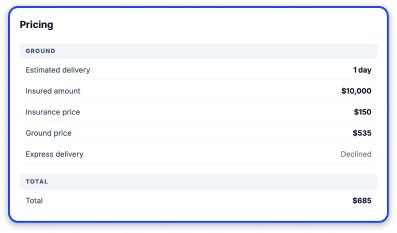
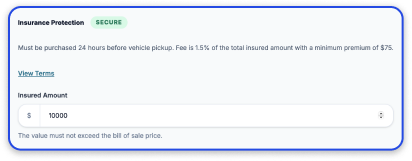
Verify cargo insurance coverage before shipment execution.

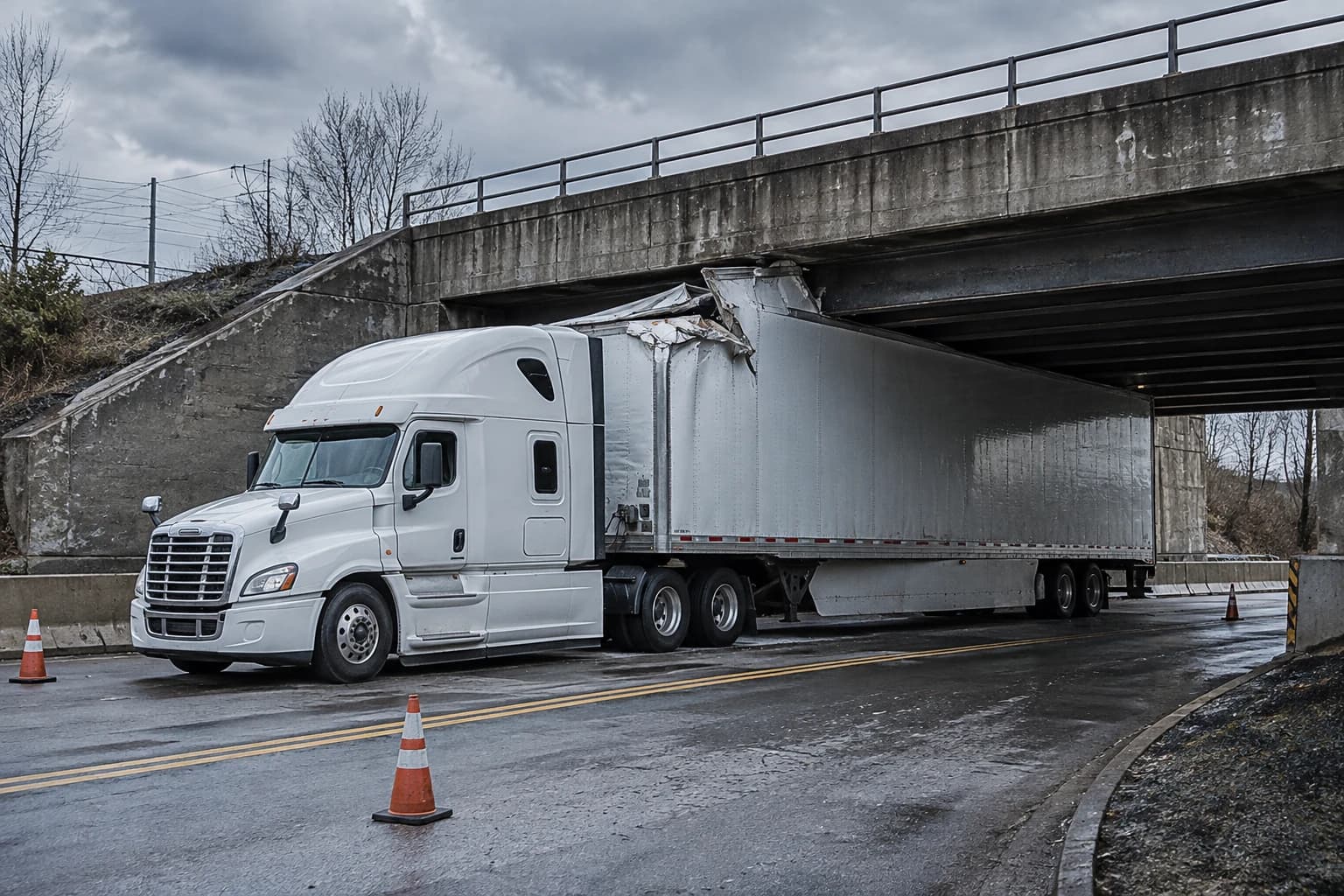
You can spend thousands of dollars buying inventory, preparing equipment, or arranging a delivery. Then one unexpected moment on the road can put that investment at risk. A truck can strike a low bridge, overturn in a collision, or catch fire before the shipment reaches its destination. Even routine journeys face hazards that no schedule can eliminate.
Cargo insurance helps protect the financial value of your goods when a covered loss occurs. It matters because paying for transportation does not automatically guarantee reimbursement for the full value of everything on board. A carrier's liability and your own cargo coverage can operate differently, with different conditions, limits, and responsibilities.
Every shipment deserves the right approach. Vehicles, machinery, electronics, and general merchandise may require different coverage. Insurers also assess the route, packaging, declared value, transport method, and handling requirements. A policy suitable for one load may leave important gaps for another.
Before pickup, confirm what is insured, which events are covered, the deductible, and the maximum amount payable. Ask specifically about collision, overturning, bridge strikes, fire, theft, and loading or unloading damage. Keep invoices, shipment records, and photographs to support any claim.
Without suitable protection, damaged or destroyed cargo may leave you paying for replacement goods from your own funds. Choosing appropriate insurance is a practical way to protect the money already committed to your shipment.
Make cargo protection part of your shipping plan. Discuss your shipment with Fleet X Direct and confirm the applicable insurance terms before your load starts moving.



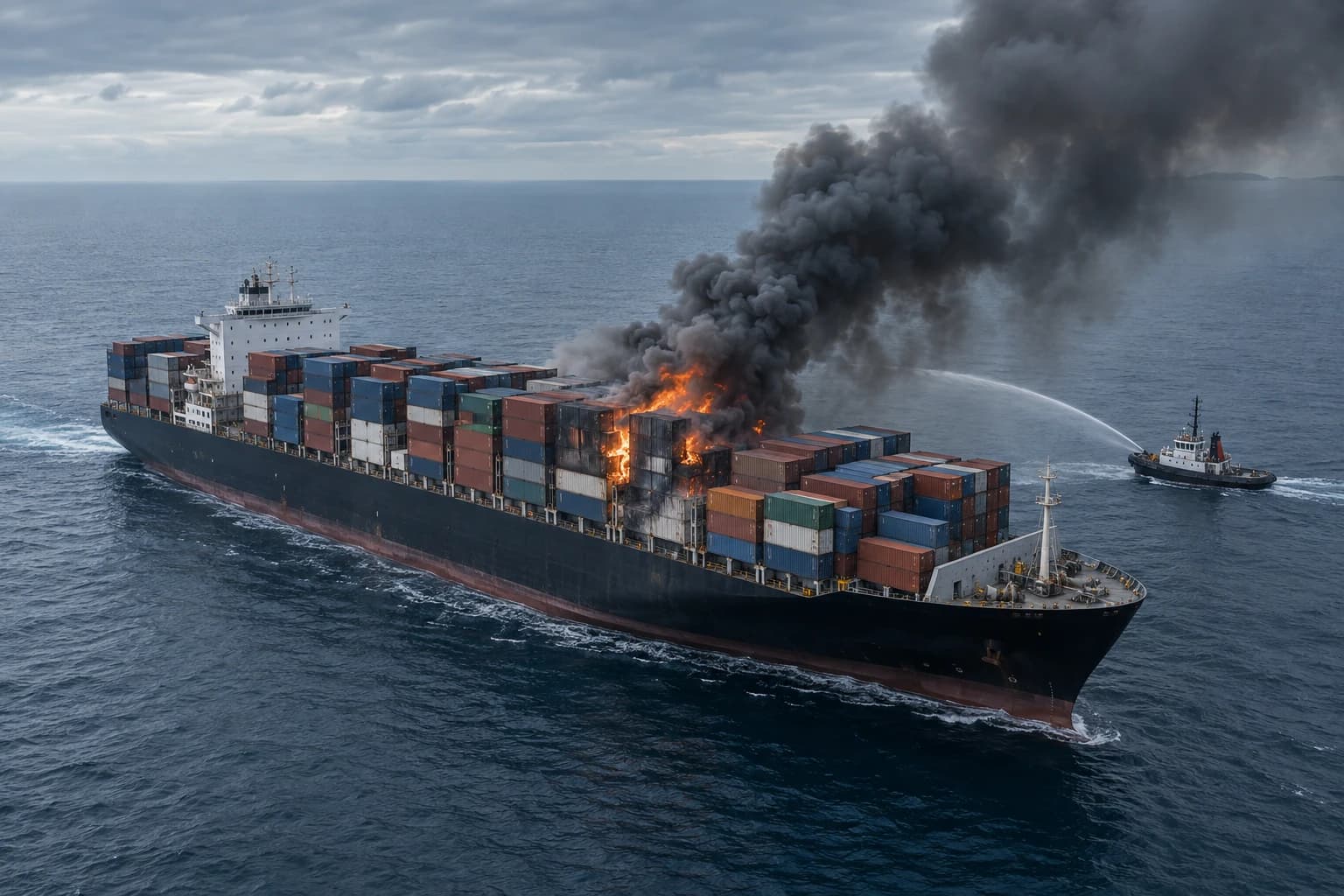
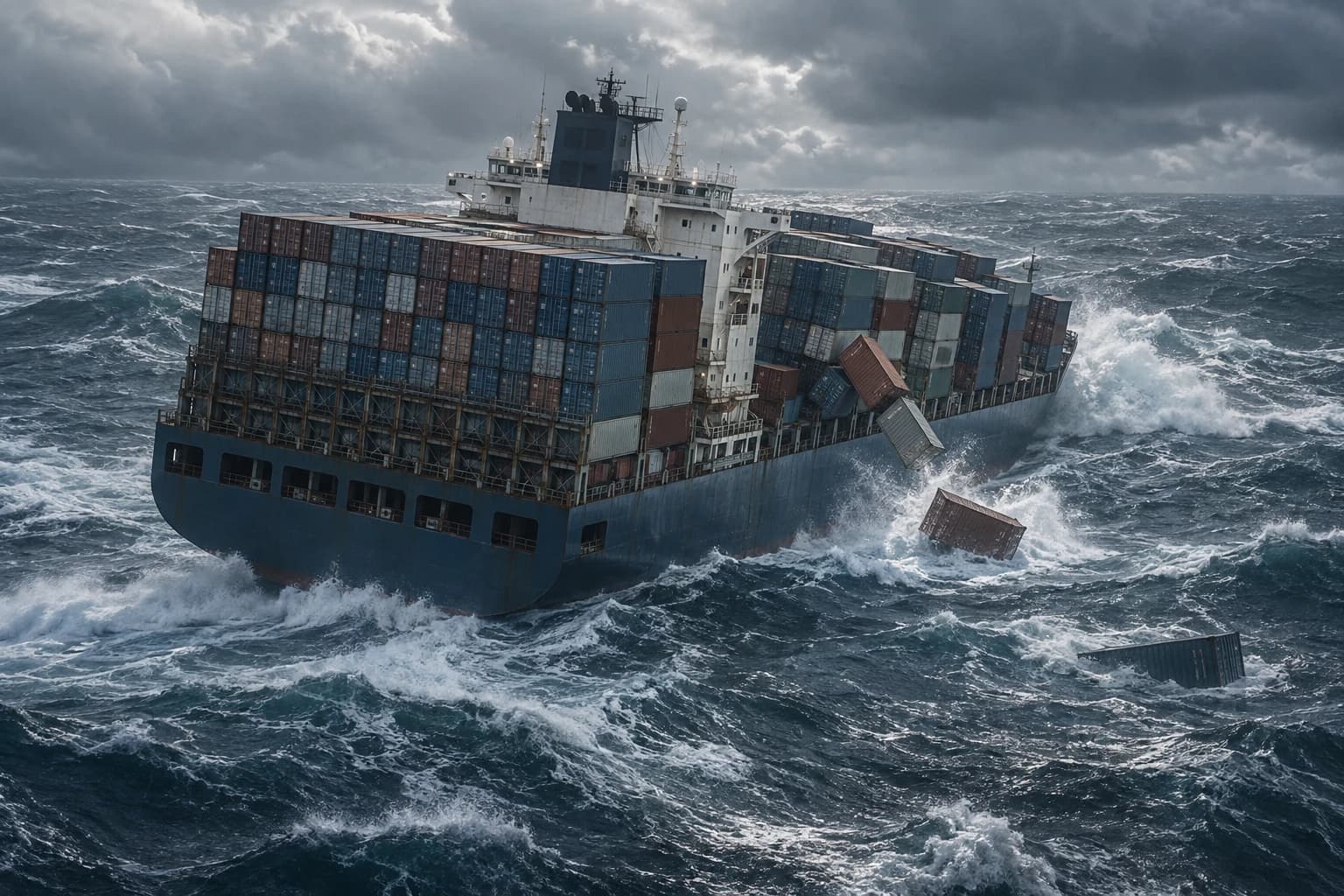
Your container may hold months of purchasing, production, and planning. Once it leaves port, that investment faces an environment you cannot control. Storms can shift container stacks, send containers overboard, or expose goods to seawater. A fire aboard a container ship can damage cargo through flames, heat, smoke, and firefighting water, even when the affected container is far from the original ignition point.
Marine cargo insurance helps protect the value of your shipment against losses covered by the policy. Booking ocean freight alone does not mean your cargo is insured for its full commercial value. Recovery from a shipping line may be limited and depends on the circumstances and applicable terms.
Different cargo needs different protection. Machinery may be vulnerable to corrosion, electronics to moisture, and packaged goods to contamination. Coverage should reflect the commodity, packaging, insured value, route, and any inland transport or temporary storage included in the journey.
Before departure, review protection for fire, heavy weather, containers lost overboard, and water damage. Ask how the policy treats condensation, insufficient packaging, delays, and exclusions. Confirm the deductible and whether general average contributions are covered: certain emergency sacrifices or expenses at sea may be shared among the parties involved, even if your goods arrive undamaged.
Losing an uninsured container can mean losing the money invested in its contents. The right coverage provides a financial safeguard when a covered incident occurs.
Plan protection before sailing. Ask Fleet X Direct about your shipment requirements and verify the insurance terms for the journey.
 Reduced financial riskFaster claims handlingVerified carrier safetyIncreased shipment trust and reliability
Verify cargo insurance coverage before shipment execution.

Submit, track, and manage claims from one place.

Confirm carrier insurance and compliance status.

Evaluate shipment risks before transportation begins.

Monitor insurance compliance and required documents.

Track coverage status throughout shipment execution.